

40 Year Anniversary: College of Cranio-Sacral Therapy (CCST)
40 Years:
40 years – and what massive changes have arisen in the Cranio-Sacral field during those 40 years.
When the College of Cranio-Sacral Therapy (CCST) was formed by Thomas Attlee in 1986 as the first college of cranio-sacral therapy, the only other person teaching cranial work outside of osteopathic colleges was John Upledger in the USA, and cranio-sacral therapy was almost totally unknown.
Since then, CCST has trained thousands of students, many other trainings have emerged (some of them created by CCST graduates) and cranio-sacral therapy and cranio-sacral trainings are now available in the vast majority of countries across the world. What a transformation!
Origins:
When Thomas formed CCST, he had just graduated from the European School of Osteopathy (ESO) where cranial work was an integral part of the osteopathic training. The ESO was the most progressive osteopathic college at the time, probably the only osteopathic college in the world which taught cranial work throughout its four-year training. The cranial teaching was deeply rooted in the work of William Sutherland, Rollin Becker, James Jealous and other major figures in the development of cranial concepts, including John Upledger, who was a guest lecturer at the college.
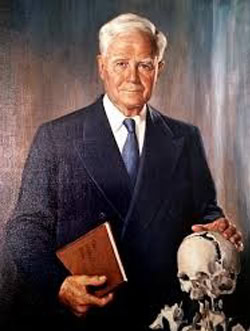
But the approach was essentially mechanical, and Thomas felt that there was scope for far greater potential in the development of cranial work. In particular, the word “energy” was not used in cranial osteopathy (cranial osteopathy has progressed substantially since then) and “emotions” were not acknowledged.
Thomas (with his background in meditation, particularly Vipassana meditation, and various other therapies and psycho-emotional concepts) felt that these two factors were crucial in enabling a more comprehensive, progressive, holistic, integrated understanding of health and wellbeing. So he created CCST in order to enable the evolution of an approach to cranio-sacral therapy which would encompass a wider field of understanding and application.
Even within the osteopathic colleges (apart from the ESO) cranial work was not part of the curriculum. Only around 10% of osteopaths used cranial work in their osteopathic practice at that time, and their cranial training consisted of a five-day postgraduate course. CCST established the first ever Two-Year Training in cranial work, and has been leading the way ever since.
Cranio-Sacral Integration:
There are various approaches to cranial work, within both cranial osteopathy and cranio-sacral therapy. These can be broadly divided into three main categories: Biodynamic, Biomechanical, and Integrated. One of the particularly significant contributions to the cranial field developed by Thomas at CCST is the distinct integrated approach, as Integrated Biodynamic Cranio-Sacral Therapy (or Cranio-Sacral Integration). This involves appreciating and integrating:
- the whole spectrum of approaches from biodynamic to biomechanical and much else besides
- a comprehensive integration of quantum science and spirituality
- recognising and engaging with the subtle forces of the energetic universe, while remaining firmly grounded in science, the physical anatomy of the human body, and the day-to-day needs of patients in everyday clinical practice
- a firm foundation in Anatomy, Physiology, and Pathology
- integrating emotions - acknowledging, understanding, expressing, and working with emotions as an integral part of cranial therapy
- incorporating Fascial Unwinding as a crucial, profound, and transformative element of cranial work
- integrating Trauma awareness and Trauma resolution - recognising that Trauma is at the root of almost all ill health, and is therefore the underlying basis of all cranio-sacral integration
- integrating Quantum awareness into our understanding of the cranial field, recognising that we are not simply engaging with an anatomical body, but with a quantum being within a quantum universe
- integration of the individual within the Cosmic field
- integration of the therapist through comprehensive and profound personal development in order to develop a more profoundly effective therapeutic presence
Some approaches describe cranio-sacral therapy as “body work”. From a CCST perspective, this represents a very limited understanding. Cranio-Sacral Integration, as taught at CCST, is a profoundly transformative integration of the whole person - body, mind, emotions, spirit - within the context of their life, and within the context of the whole cosmos.
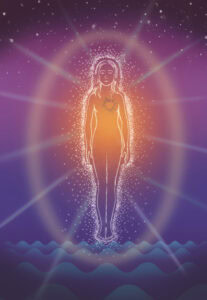
The cranio-sacral system that we are engaging with is everything about the person, their whole life story - their birth, their childhood, their emotional state, every injury, illness, shock, and trauma that they have ever experienced, their history, their personality, their lifestyle, their whole being, everything about them. This is one of the many factors which make the CCST training so transformative.

Quantum Field:
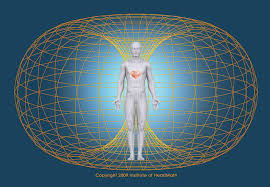
Appreciation and understanding of the Quantum field is fundamental to Cranio-Sacral Integration. The physical body, human or any other animal (and indeed everything in the universe) is not just anatomy (skin and bones, muscles, membranes, fluids, organs). It is a mass of quintillions and sextillions of subatomic particles coming in and out of existence trillions of times every second. It is a biomagnetic field, an energy field, an individual matrix within the wider universal matrix, a single drop in the cosmic ocean. When we engage with the cranio-sacral system with this understanding, this awareness - this cosmic consciousness - the responses and ramifications are very different and far more profound.
“We now live in a universe where science and spirituality are one and the same. Energy, fields of information, consciousness, and physics become the primary tools for health and healing” (Dr Bruce Lipton, Biology of Belief).
Since the individual biomagnetic field radiates out some distance beyond the anatomical body, this means that we can of course engage with the cranio-sacral system with our hands off the body, and some distance from the body - through the quantum field.
Distant CSI:
This understanding has also led CCST to the groundbreaking development of Distant Cranio-Sacral Integration. Due to the quantum concept of “non-locality” (first identified by the Northern Ireland quantum physicist John Bell in 1964) we can recognise that every subatomic particle throughout the universe, and indeed the whole multiverse, is connected within a time-space continuum. And we can therefore engage therapeutically with anyone anywhere in the world through our finely tuned consciousness, as has been experienced by the many participants in the CCST Distant CSI postgraduate trainings.
As a result of CCST’s development of Distant CSI courses, hundreds of cranio-sacral therapists across the world, from Canada to India, from USA to Australia are successfully engaging with and treating patients with profoundly effective results through distant work firmly based in the cranio-sacral system, cranio-sacral principles, and detailed anatomy.
Day to day life:
The fact that we are working with energetic fields does not of course mean that anatomy ceases to be relevant. On the contrary, anatomy, physiology, and pathology are fundamental to cranio-sacral integration. It is after all through our physical bodies that we experience life. And cranio-sacral integration is not simply about engaging with abstract energy fields.
It is very much concerned with resolving the day to day physical and emotional conditions of everyday life - back pain, migraine, chronic fatigue, recuperation from illness and injury, the effects of childbirth, emotional issues, autonomic nervous system dysregulation, trauma, and the vast array of common and less common conditions - resolved more effectively by understanding them within the deeper context of the energetic field.
Inherent potential for healing:
The body has an inherent potential for healing, a natural tendency towards re-organisation and re-integration of body, mind and spirit. This healing potential can be depleted and overwhelmed by
- trauma
- injury
- excessive demands
- exhaustion
- lifestyle
- and the accumulated stresses of day-to-day life.
By engaging with the biodynamic forces within and around the body, Cranio-Sacral Integration can enhance this inherent potential, enhance the underlying health, enhancing the body’s inherent potential to re-organise and re-integrate, to heal itself, to resolve conditions and symptoms in so far as possible.
Trauma:
Trauma is at the root of most ill health
- whether from birth, injury, a difficult childhood
- parents, school, relationships
- rape, childhood abuse, sexual abuse
- war, torture, post-traumatic stress disorder
- or an accumulation of all the many stresses of everyday life
Resolving trauma through Cranio-Sacral Integration is a powerful and transformative process.
Trauma needs healing and integration at a profound level
- not just physical therapy
- not just psychotherapy
but the release of shock and trauma at a molecular level, a subatomic level, a Quantum level, and re-integration of the whole person.
Fascial Unwinding:
Fascial Unwinding is another aspect of cranio-sacral work which has been specifically developed by Thomas Attlee at CCST.
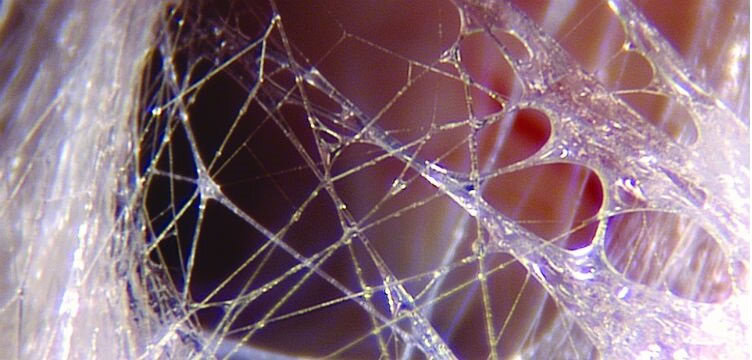
Thomas has developed Fascial Unwinding to a fine art, to a far deeper level, enabling profound integration of the whole person through engagement with the cybernetic systems of the human body, with the intricate sensory-motor responses within the nervous system, with the deeply imprinted tissue memory - both emotional and physical, with the liquid crystalline fascial matrix, and with the inner healing potential of the body.
Fascial Unwinding is often misunderstood and regarded as a superficial process - by those who don’t understand it and who haven’t managed to master the art of Fascial Unwinding.
When practised properly, it is a profoundly transformative process, with widespread applications for trauma resolution, emotional integration, musculo-skeletal injuries, chronic pain, and body-mind integration, often enabling results where other therapies and other aspects of cranio-sacral work have not been effective.
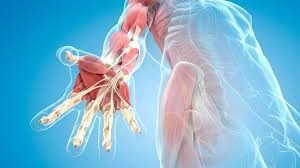
(The term Fascial Unwinding has recently become very fashionable (or perhaps “fascianable”) and is now widely used to represent all kinds of things which we wouldn’t regard as genuine Fascial Unwinding).
Clinical Experience:
Another significant innovation, introduced at an early stage of CCST’s history, was Teaching Clinics. Teaching Clinics are hugely appreciated by students as one of the most valuable preparations for professional practice. Since the early days of the college, all CCST students have been required to attend eight full days of Teaching Clinics (under the supervision of a tutor) during which they will see a wide variety of patients, ranging from new born babies and children to the elderly and every age in between, from chronic ill health to acute injuries, from physical pain to emotional trauma, experiencing how different tutors approach various circumstances, and also, in the latter part of their training, taking individual responsibility for patients. This clinical experience has been invaluable as they embark on establishing their own professional practice (and yet it is something that is not provided by the majority of cranio-sacral trainings).
In order to heal others, you need to heal yourself:
Another key element in the CCST approach is the substantial emphasis on addressing personal process, as the key to developing a more effective and profound therapeutic presence. This is a subject which is often mentioned as being significant, but is seldom put into practice in many trainings (at least not to the degree provided by CCST). “In order to heal others, you need to heal yourself”. Again, this truism is widely quoted but seldom applied sufficiently - and yet it is the most significant factor in developing a genuinely profound and potent therapeutic presence, and consequently far more profound healing responses in patients. Clearing your own system, resolving your own trauma, and establishing a calm quiet presence as the fulcrum around which the cranio-sacral process can revolve enables much deeper healing. It is often noted that CCST graduates tend to be particularly well grounded. Addressing personal process constitutes a major element in training students at CCST to become truly profound and effective cranio-sacral therapists.
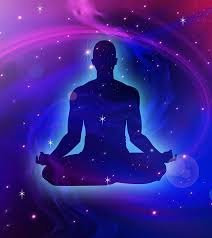
As a result, almost every student reports that by the time they graduate they are a different person from when they started the training - not only a highly trained professional therapist, but also happier, healthier, more contented, more confident, more balanced, more integrated - their relationship with their family, their work, and with life transformed.
Compassion:
One other notable feature of the CCST approach has been the high degree of compassion - inherent in the teaching, in the presentation of the course, in the tutor support, in the substantial support for students, in the caring nature of the training, and the personal attention to every individual student and patient.
CCST has never been merely teaching a technique, nor simply presenting a therapeutic modality. Instead, it has always sought to provide a truly compassionate and caring approach to supporting everyone on their journey through life.
An essential element in enabling this is the continuity of the training, learning and working with the same consistent group of students and tutors (as opposed to separate modules here and there with different students and different tutors) enabling the development of a very close community which contributes significantly to a deeper experience for the whole group and for each individual within the group. Students often report that they have made friends for life on this training, that they have discovered a new ‘family’, that they feel they have come home.
Global:
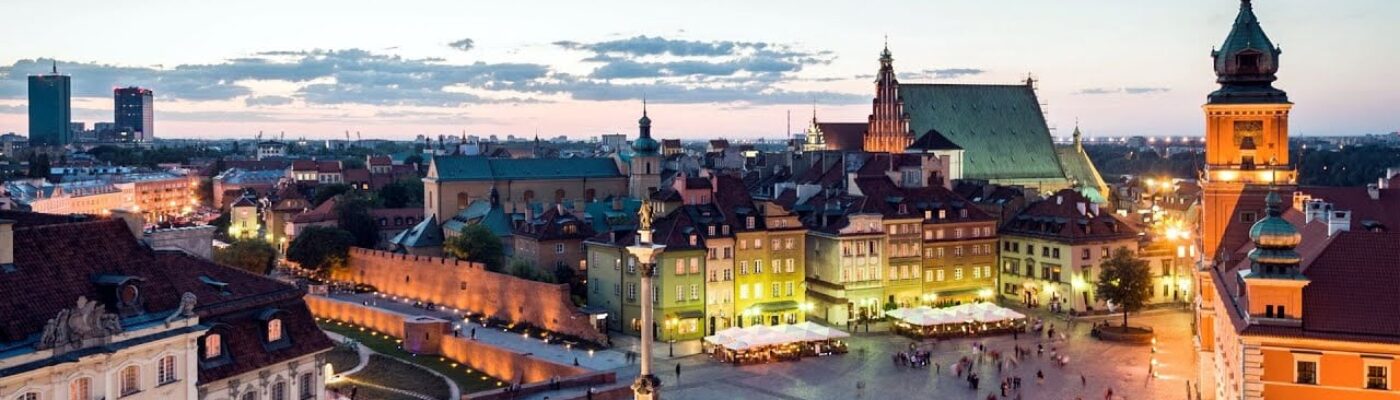
From the start, CCST has been an international organisation, and over the past 40 years the college has run trainings in many different countries. With the increased awareness of cranio-sacral therapy globally, this international connection has expanded significantly, with students from all over the world, from USA to Hong Kong and from all over Europe travelling to London to experience the high standard of training provided by CCST.


Highest Standards:
CCST has always sought to maintain the highest standards, in its teaching, in its preparation of students to become effective and successful cranio-sacral therapists, in its ethical approach, in its extensive support and care for students throughout their training, in the carefully created structure of the training. All of this enables students to maintain high standards in developing their own integrity and potential as therapists, so that they can graduate successfully as capable, confident practitioners, to spread the transformative power of Cranio-Sacral Integration around the world.
Still Growing:
40 years of experience has informed the CCST approach, enabling us to develop and grow year by year, day by day, to learn and adapt, to fine tune, to build the best possible college of cranio-sacral therapy that we can. We appreciate the many tutors, students, and others over the years who have contributed to the growth, development and compassion of the college.
We look forward to the next 40 years and more, stretching out indefinitely into the time-space continuum.
With love and cosmic consciousness
College of Cranio-Sacral Therapy (CCST)